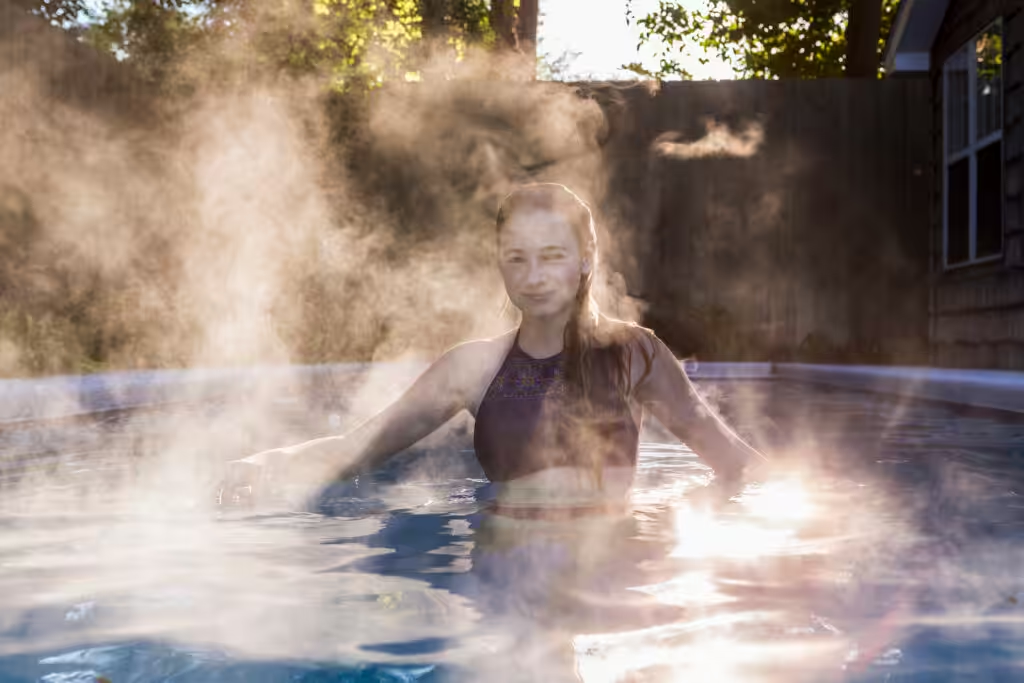
For many property owners, a swimming pool is one of their most valuable lifestyle and investment assets. Yet as the temperature drops, most pools sit idle for months, leaving thousands of dollars of potential value unused. Energy-efficient pool heating changes that. It turns a seasonal feature into a year-round attraction for family homes, holiday rentals, hotels, resorts, retirement villages, wellness retreats and commercial facilities alike.
The result is greater enjoyment, stronger property appeal, higher occupancy, happier guests and a better return on your investment.
Australians want year-round outdoor living
Australians love outdoor living, from family gatherings and weekend entertaining to holiday escapes and wellness retreats. With around 1.1 million backyard swimming pools across the country, the pool remains one of the most desirable property features on the market.
Today’s homeowners, travellers and guests expect more than a pool that is comfortable for only a few months of the year. Properties that offer comfortable swimming through autumn, winter and spring increasingly stand out in competitive markets, because they deliver a better lifestyle experience regardless of the season.
Why pool heating makes financial sense
A pool is a significant investment, so maximising how often it can be used simply makes sense. The key benefits include:
Increased property appeal
A heated pool immediately lifts the perceived value of a property. Buyers, guests, residents and visitors view year-round swimming as a premium feature.
A longer swimming season
Instead of limiting use to the warmer months, heating keeps the water comfortable well beyond summer, extending your season by months.
Improved guest satisfaction
For accommodation providers, a heated pool can become one of the most memorable parts of a guest’s stay, which often leads to stronger reviews and repeat bookings.
Better return on investment
The more frequently your pool is used, the more value you draw from the money you originally spent building it.
Lifestyle and health benefits
Swimming is one of the best low-impact forms of exercise and recreation. According to Healthdirect, it builds muscle strength and fitness while reducing pressure on weight-bearing joints, which makes it suitable for all ages and fitness levels. Comfortable water temperatures encourage regular use for both relaxation and fitness.
A competitive edge for accommodation providers
For holiday homes, resorts, hotels and short-term accommodation providers, pool heating can deliver a clear advantage over competing properties.
Guests routinely compare amenities when choosing where to stay, and a heated pool can be the deciding factor, particularly in cooler months when most competing pools are too cold to use. The benefits include:
- Increased occupancy during the cooler months
- Higher perceived property value
- Improved guest reviews
- Greater booking appeal
- Stronger repeat visitation
In a crowded accommodation market, even a small point of difference can have a meaningful impact on revenue.
What to consider before you install
If you are weighing up pool heating, a few factors are worth evaluating before you commit.
1. Choose energy-efficient heat pump technology
Modern heat pump systems are one of the most efficient ways to heat a pool. As the Australian Government’s Your Home guide explains, heat pumps move existing heat rather than generating it, so they deliver strong performance while using far less energy than many traditional heating methods.
2. Install a quality pool cover
A good cover dramatically reduces heat loss and improves efficiency. The Australian Government estimates a cover can cut heat loss from a heated pool by as much as 75%, which helps lower running costs while keeping the water comfortable. For more detail, read our guide on whether you really need a pool cover with a heat pump.
3. Size the system correctly
Undersized systems struggle to hold the target temperature, while oversized systems add unnecessary upfront cost. Professional system design ensures the right balance of performance and efficiency.
4. Plan for year-round operation
Many owners install heating to extend their swimming season, then quickly discover the value of keeping the water comfortable all year.
5. Work with experienced specialists
The quality of the design and installation directly affects performance, running costs and long-term reliability. Choosing an experienced specialist gives you the best chance of a result that lasts.
The future of pool ownership
As energy-efficient technology keeps improving, more homeowners, accommodation providers and commercial facilities are recognising the value of year-round pool heating. Running costs matter here too: a pool can account for as much as 30% of a household’s energy bill, so efficient heating and a well-fitted cover make a real difference.
A heated pool is no longer a luxury reserved for high-end properties. It is a practical investment that improves usability, increases enjoyment and enhances overall property value.
Make the most of your pool investment
Your pool represents a significant investment. Rather than letting it sit unused through the cooler months, pool heating can unlock its full potential across the entire year. Whether your goal is improving guest satisfaction, lifting property appeal, extending your swimming season or creating a better lifestyle for your family, the right solution can deliver lasting value.
Ready to get more from your pool?
At Relevant Air, we design and install energy-efficient pool heating solutions for homes, holiday rentals, resorts and commercial facilities across Sydney. With genuine specialist experience in pool heat pumps, we help you choose the right system for your property, sized correctly and built to last.
If you’re ready to extend your swimming season and make the most of your investment, get in touch with us today for a no-obligation quote. Our team is happy to answer your questions and recommend the best solution for your needs.