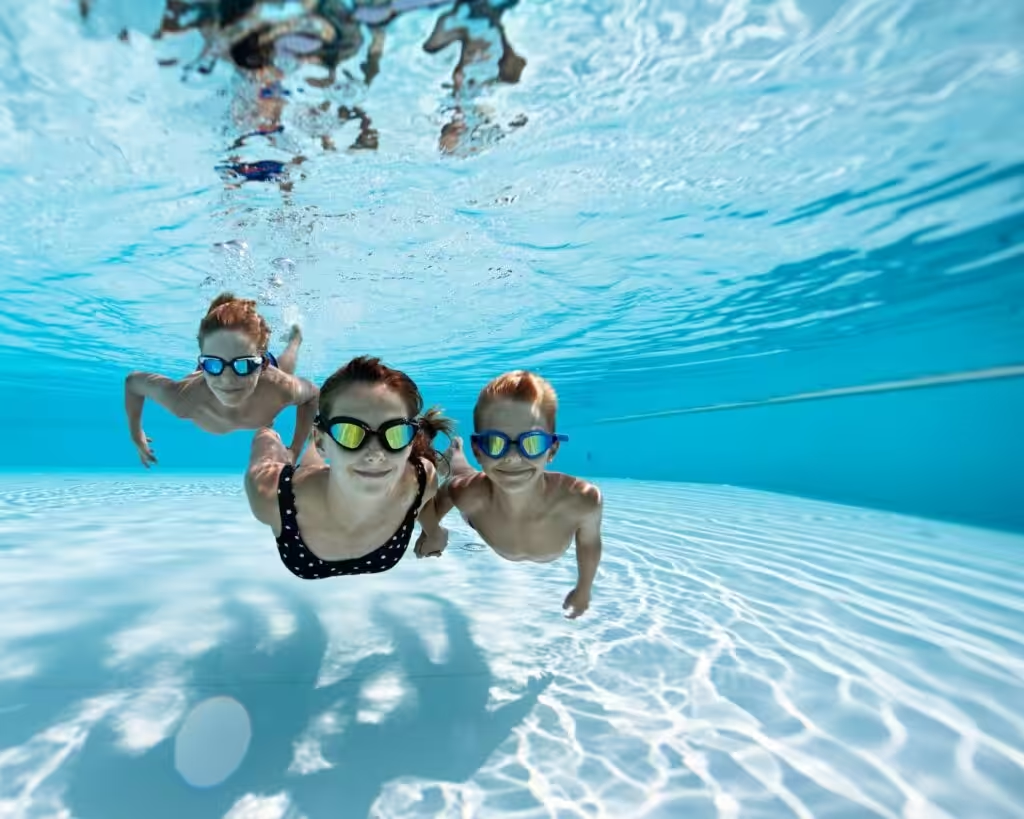
Indoor swim schools
Hold stable conditions through back-to-back lesson schedules and heavy bather loads.
Protect your building, improve indoor air quality and maintain comfortable conditions with a properly designed commercial dehumidification system.
Authorised Rheem Distributor
Australian Manufactured for Durability and Reliability
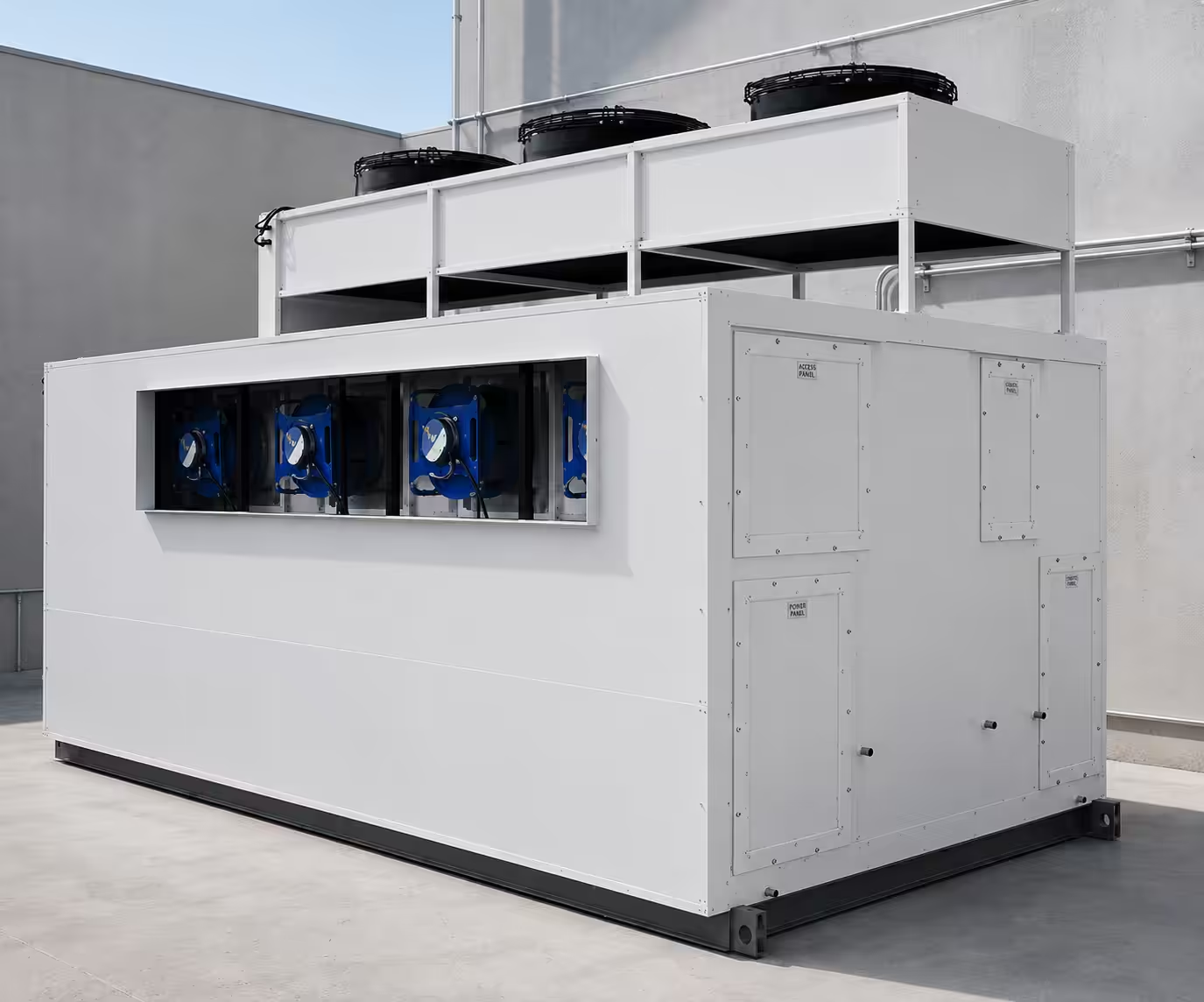
We supply and install commercial dehumidification equipment for new projects, system replacements and upgrades. Every project begins with an assessment of the facility rather than a one-size-fits-all equipment selection.
For indoor swimming pools the system may need to manage humidity, fresh-air ventilation, pool-hall temperature, air distribution and, depending on the equipment selected, heat recovery or pool-water heating.
Equipment selection remains project-specific and is based on the facility’s actual requirements.
Site inspection and review of existing services
Moisture-load and operating-condition assessment
Equipment selection and system design coordination
Ductwork, airflow and ventilation review
Electrical, drainage and controls coordination
Installation and connection of equipment
Airflow balancing and control setup
Testing, commissioning and client handover
Indoor pool environments are demanding on mechanical equipment. Chlorinated air, continuous operation, moisture, dust and restricted airflow all accelerate wear when a unit is not maintained correctly.
We run scheduled preventative maintenance, diagnose breakdowns and repair faults across refrigeration, fans, controls, sensors and drainage, including systems installed by another contractor. Where an ageing unit is otherwise sound, EC fan and controls upgrades can deliver more precise airflow control, lower fan energy, quieter operation and a longer useful life.
Service frequency should reflect equipment type, operating hours, environmental conditions and manufacturer requirements. High-use pool facilities commonly require more frequent attention.
Filter, evaporator and condenser coil cleaning
Fan, motor, belt and bearing inspection
Refrigeration system checks and leak diagnosis
Electrical testing and terminal inspection
Condensate drain and trap inspection
Humidity and temperature sensor checks
Controller and set-point review
Airflow, temperature and corrosion testing with performance reporting
Indoor pool halls run warm and generate moisture continuously through evaporation. How much depends on the pool area, water temperature, room conditions, activity levels, wet deck area and the use of water features.
When that moisture is not controlled, warm humid air condenses on windows, ceilings, ductwork and structural components. Over time this contributes to corrosion, mould, damaged finishes, poor air quality and rising maintenance costs.
A well-designed dehumidification and ventilation system protects the building while supporting occupant comfort, air quality and more stable operating conditions.
When a commercial dehumidifier stops performing correctly, the visible symptom rarely identifies the underlying fault. Condensation, high humidity or poor airflow can all be caused by refrigeration faults, failed fans, blocked filters, incorrect controls, sensor problems, drainage faults or wider ventilation and air-distribution issues.
Arrange an assessment when you notice:
Early investigation can prevent a small mechanical or control issue from becoming a larger equipment or building problem.
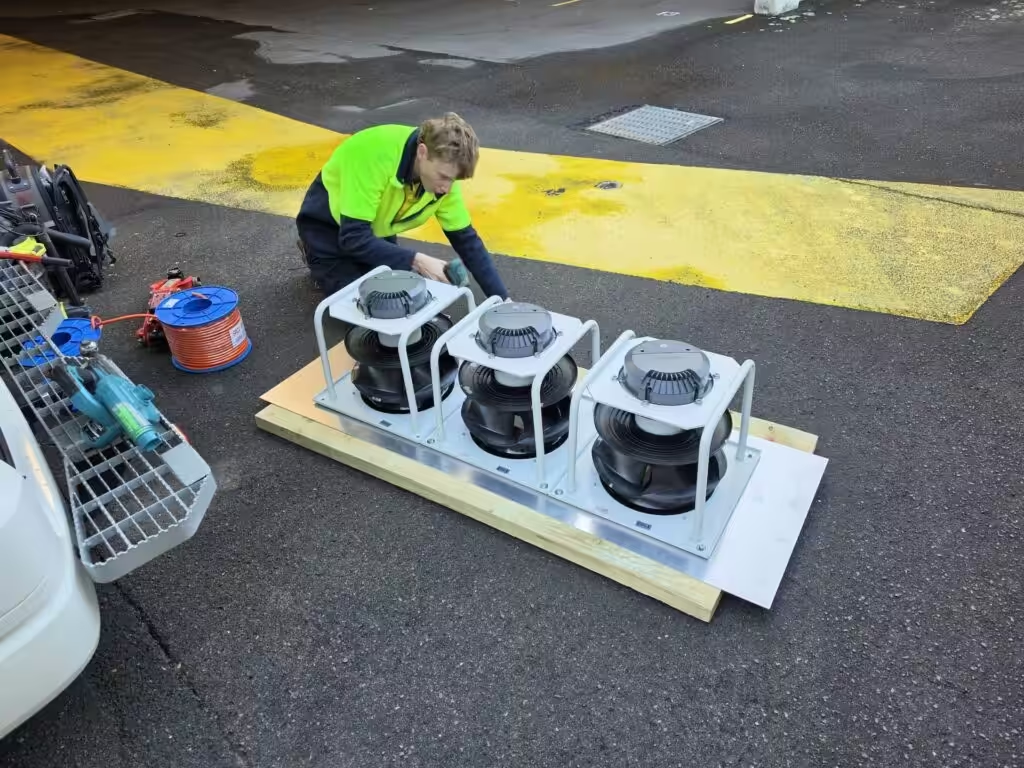
Commercial humidity control is more than a standalone dehumidifier. From swim schools to hydrotherapy pools, a reliable system has to account for moisture generation, water and room temperature, ventilation and air distribution, building pressure, occupancy and the condition of the building envelope, so the solution suits how the facility actually operates rather than the other way around.
Hold stable conditions through back-to-back lesson schedules and heavy bather loads.
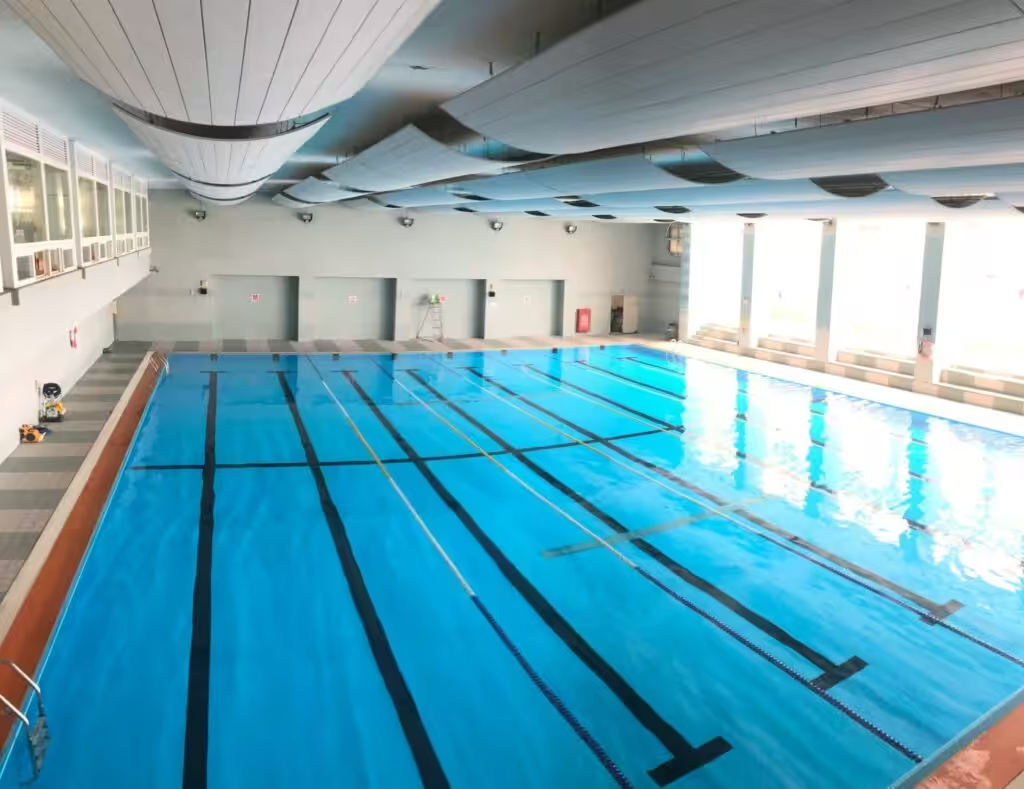
Manage large evaporation loads and long operating hours without condensation taking hold.
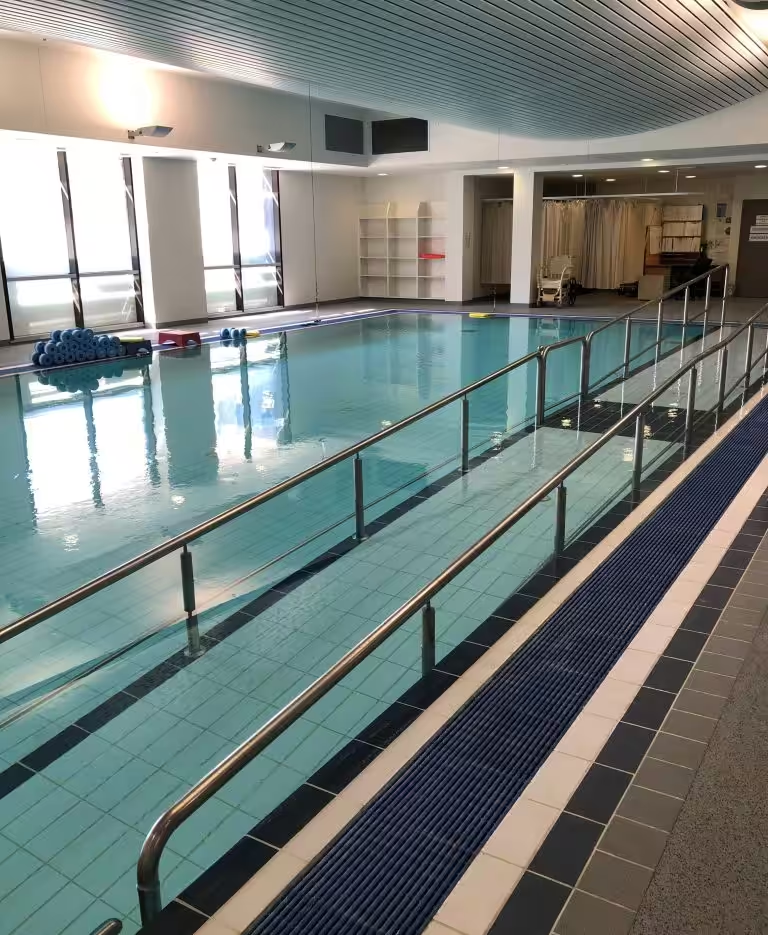
Warmer water means a heavier moisture load and tighter comfort requirements for patients and staff.
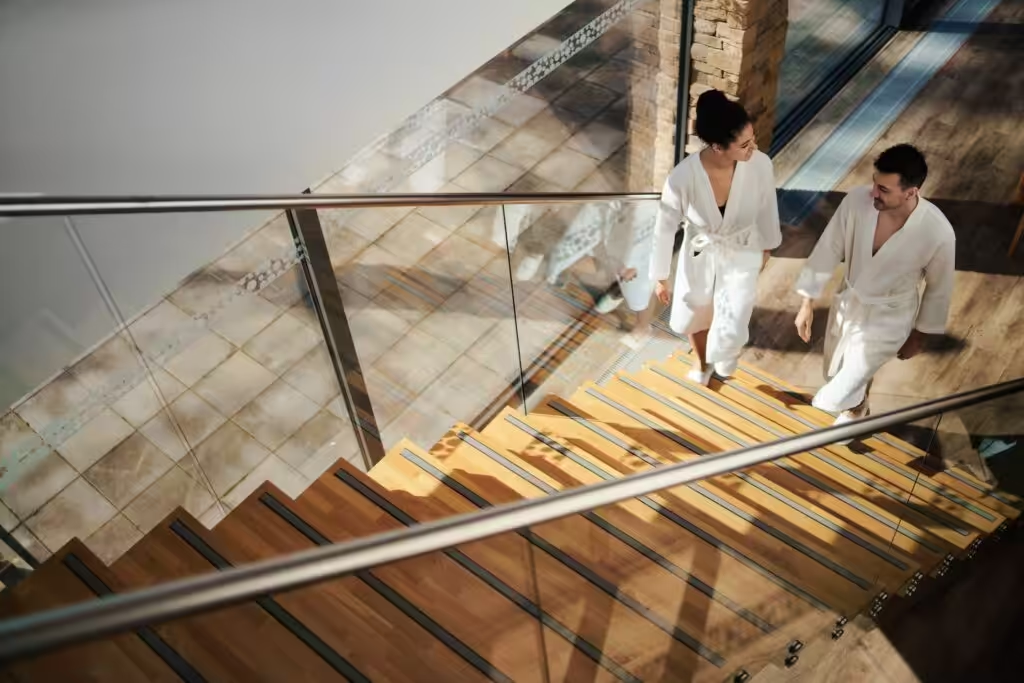
Deliver the warm, dry pool hall and spa conditions guests expect, all year round.
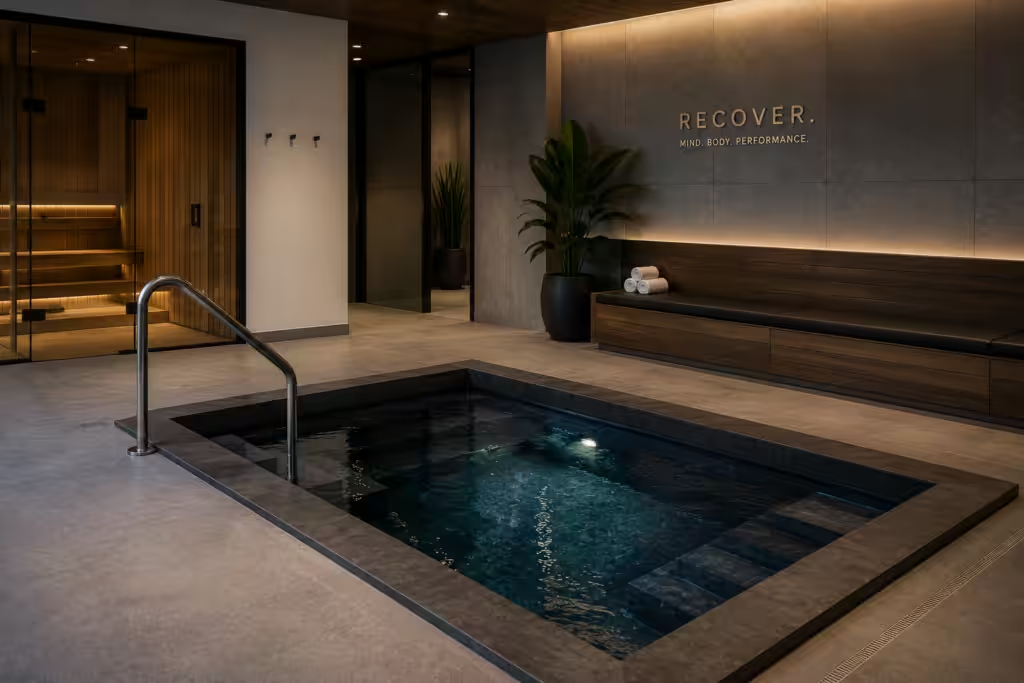
Control humidity around ice baths, plunge pools and athlete recovery rooms.
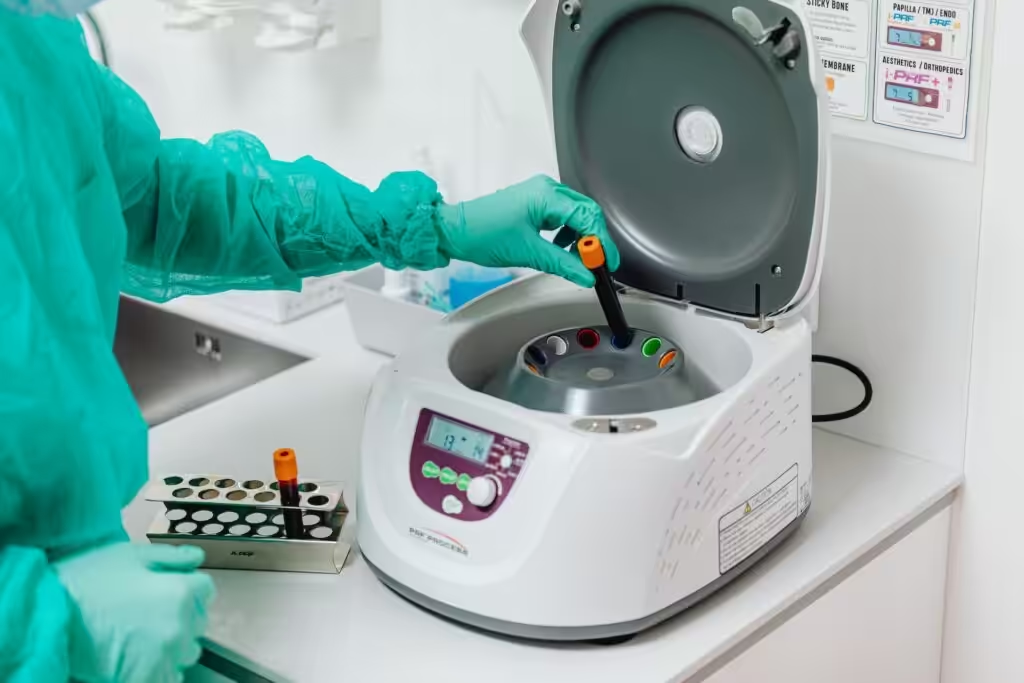
Maintain stable humidity for processes, equipment and stock that will not tolerate moisture swings.
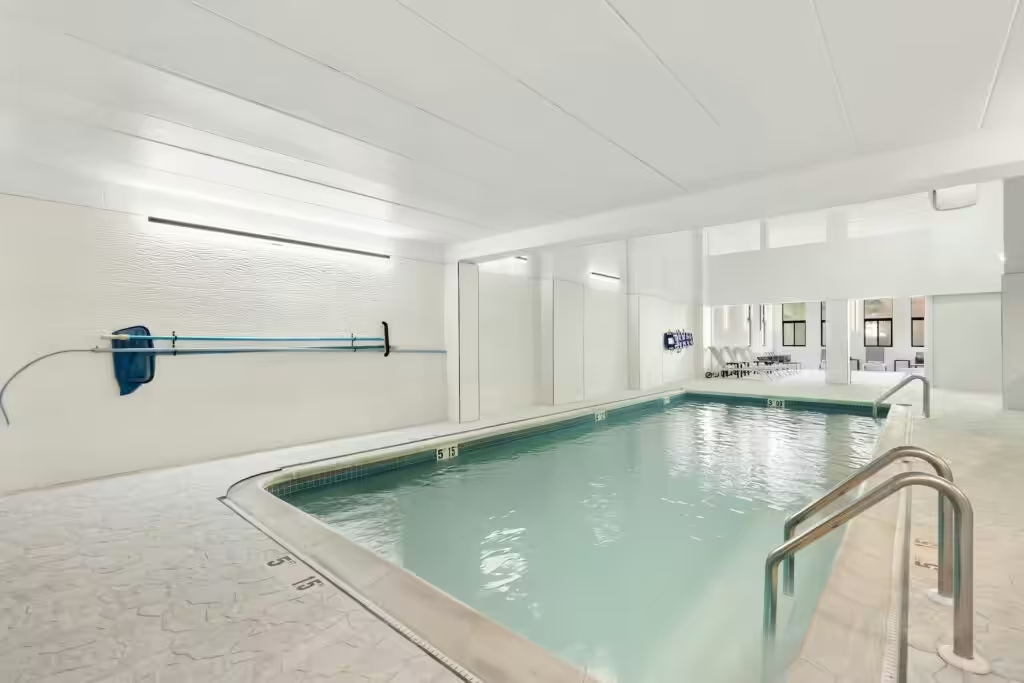
Protect shared building fabric and keep conditions stable in plant that often runs unattended between service visits.
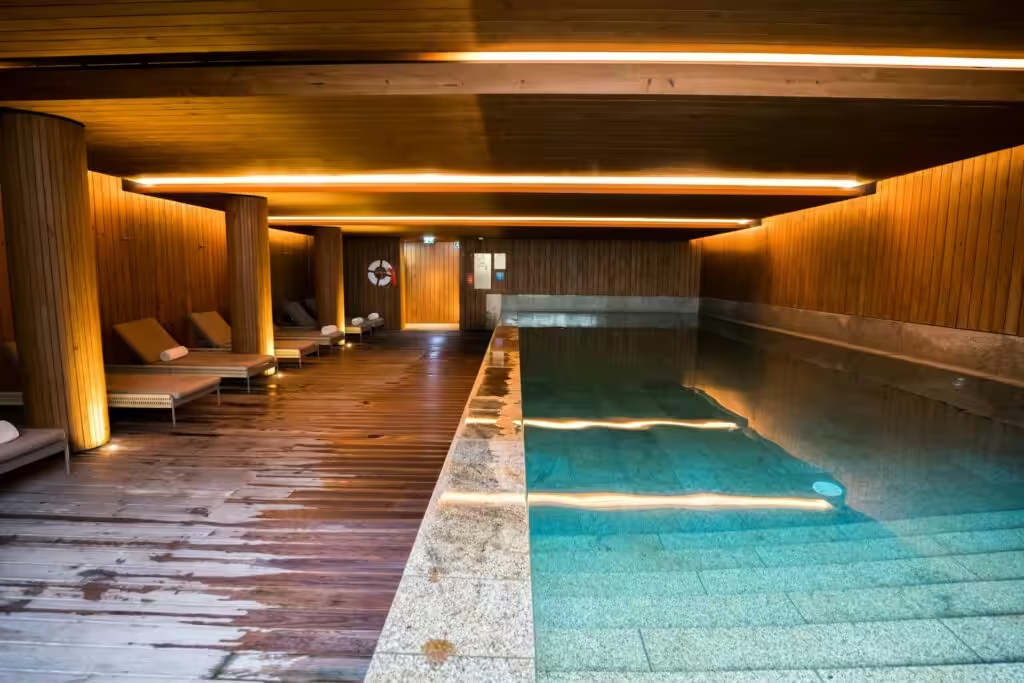
Handle the heavy evaporation that comes with higher water temperatures in a smaller, warmer room.
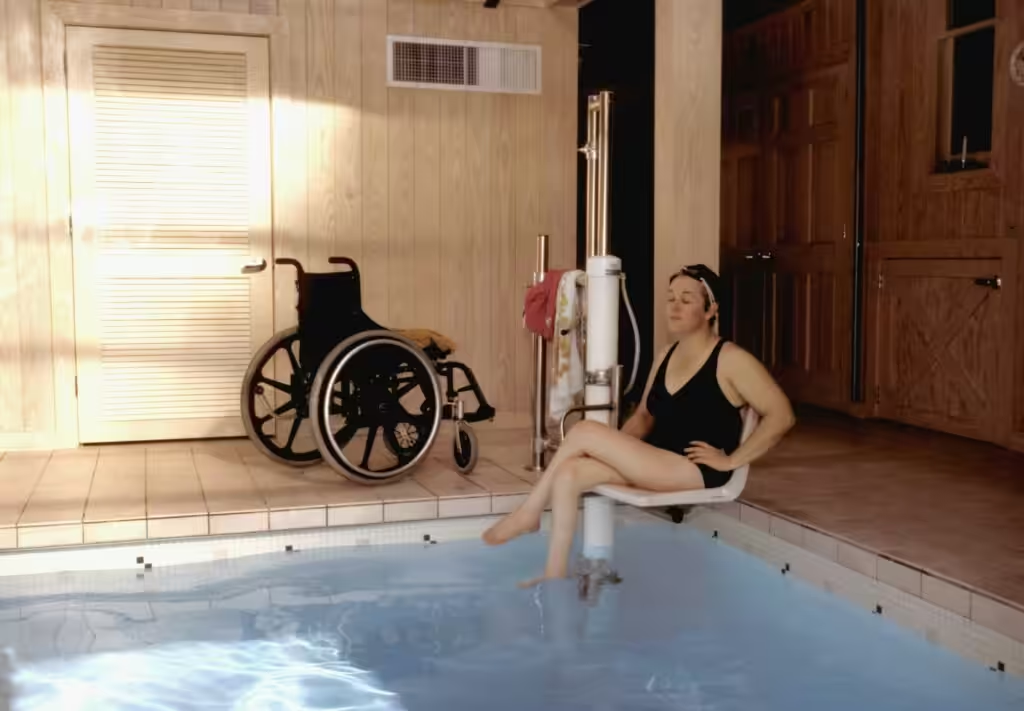
Maintain the warm, comfortable air that warmer water demands, without condensation on floors and surfaces.
Relevant Air works across both major commercial indoor pool platforms. What we can offer differs between them, because Accent Air no longer manufactures new equipment.
Assessed per unit
Assessed per unit
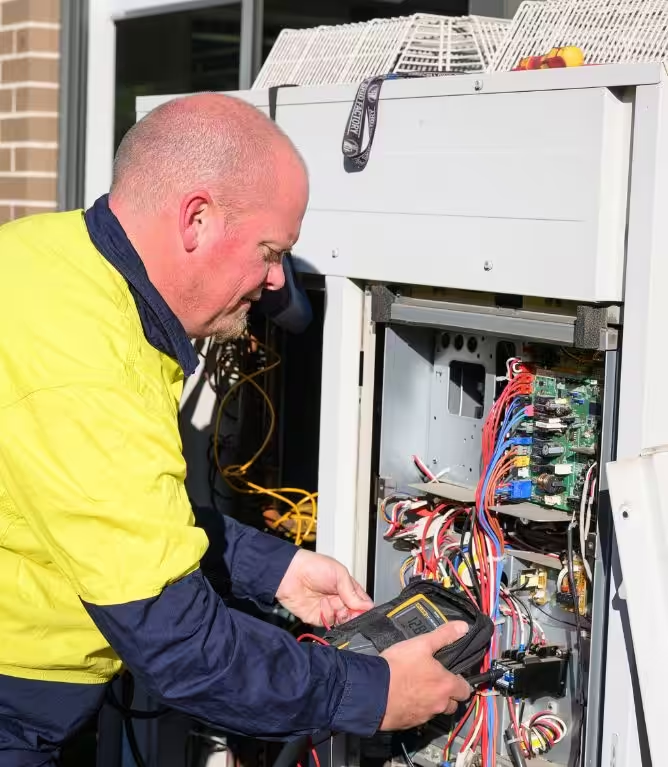
More than 25 years of HVAC industry experience, including commercial indoor pool and humidity-control work across supply, installation, diagnostics, repairs and preventative maintenance. We understand that a dehumidifier is part of a wider building system, so our assessment considers the equipment, airflow, controls and operating environment rather than focusing on one component in isolation. Sydney-based, with selected NSW commercial projects by arrangement, and clear reporting for owners, strata managers and facility managers.
Relevant Air & Water installs and services commercial, heating, chilling and dehumidification equipment across Penrith, Western Sydney and the wider Sydney metropolitan area.
Project availability depends on scope, equipment and site location. Contact us to confirm coverage for your facility.
Get a Price or Speak with Us
Whether you are planning a new indoor pool, replacing an ageing unit, investigating condensation or looking for a reliable maintenance provider, Relevant Air & Water can help.
Contact our team to arrange a site assessment and discuss the most practical humidity-control solution for your facility.
Get answers to common questions about Relevant Air's experienced heating and cooling installation, repairs, and maintenance services with our FAQ.
A commercial dehumidifier is purpose-built equipment designed to remove moisture from the air in larger or more demanding environments. Unlike a portable domestic unit, a commercial system may connect to ductwork and building controls, and may also provide ventilation, heating, cooling or heat recovery.
Warm pool water evaporates continuously and creates a high moisture load. A specialised indoor pool system is designed to manage humidity while also considering room temperature, ventilation, airflow, corrosion resistance and occupant comfort.
Standard comfort air conditioning alone may not adequately control these conditions.
The correct set point depends on the facility, water temperature, room temperature, building envelope and system design. Indoor pool facilities are commonly maintained within a controlled mid-range, often around 50 to 60 per cent relative humidity, but the appropriate target should be confirmed for the specific facility.
There is no single interval suitable for every facility. Service frequency should reflect operating hours, occupancy, pool chemistry, filter loading, equipment condition and manufacturer requirements.
High-use indoor pool systems may benefit from quarterly or otherwise scheduled maintenance.
Yes. We can inspect, maintain and repair many existing commercial dehumidification systems even when Relevant Air did not complete the original installation.
Relevant Air can inspect, maintain and repair Air Change indoor pool dehumidification and air-handling equipment. We can also assess upgrade or replacement options where an existing unit is nearing the end of its practical service life.
Relevant Air can inspect, maintain and repair Accent Air indoor pool dehumidification and air-handling equipment. We can also assess upgrade or replacement options where an existing unit is nearing the end of its practical service life.
Accent Air no longer manufactures this equipment, so new Rheem / Accent Air installations are not available.
Sometimes. Fans, sensors, controllers and selected refrigeration or electrical components may be upgradeable.
The decision should consider the cabinet condition, coil condition, refrigerant circuit, corrosion, parts availability, energy use and remaining service life.
Possible causes include insufficient capacity, dirty filters or coils, fan failure, incorrect set points, sensor errors, poor air distribution, excessive air leakage, low surface temperatures, ventilation issues or an increased moisture load.
A full assessment is usually needed rather than simply lowering the humidity set point.
A correctly selected and controlled system can improve efficiency compared with equipment that is oversized, constantly cycling, poorly maintained or relying on uncontrolled ventilation.
Heat recovery, variable-capacity compressors, EC fans and effective controls may also reduce energy use in suitable applications. Actual savings depend on the existing system and operating conditions.
They can form part of the solution, because effective ventilation and air distribution help remove contaminated air and deliver fresh air where required.
However, strong chloramine odours may also relate to pool-water chemistry, bather load, disinfection and exhaust design. These factors should be investigated together.
Yes. We can develop a planned maintenance program based on the equipment, site access, operating hours and reporting requirements.
Scheduled servicing can help identify deterioration before it leads to an unplanned shutdown.
Useful information includes the equipment make and model, facility type, pool dimensions, water and room temperatures, operating hours, recent service history and any fault codes.
Photos of the unit and controls, along with a description of where condensation or discomfort is occurring, also help us prepare before attending site.